How Often Should You Schedule Sidewalk Cleaning in Rainier, OR?

Sidewalks in Rainier see a lot of moisture and shade, which lets algae and moss settle in. That green film looks bad and can turn your steps into a slip zone. To keep your walkways safe and inviting, most homes benefit from a planned cleaning schedule. If you want a fast, lasting fix, consider professional sidewalk cleaning in Rainier, OR with Good Choices Pressure Washing.
Why Sidewalks in Rainier Need Regular Cleaning
Rainier sits along the Columbia River and gets frequent drizzle and cool mornings. Concrete stays damp, especially on north-facing or tree-lined streets. That’s where algae, mildew, and moss thrive. Over time they stain the surface and make it slick underfoot.
Tree needles, leaf litter, and road grit also migrate onto sidewalks near driveways and curbs. As that organic layer breaks down, it feeds more growth. You might notice dark stripes where runoff crosses the walk or green patches near downspouts. Those are early signs your sidewalk needs attention before it becomes a safety hazard.
Slippery sidewalks from algae growth are a real risk after long stretches of wet weather. Regular cleanings reduce that buildup and help your concrete dry faster between storms.
How Often Should You Schedule Sidewalk Cleaning in Rainier, OR?
Your ideal schedule depends on shade, traffic, and how close you are to trees or the river. As a general rule for Rainier homeowners:
- Shaded or tree-lined sidewalks: every 3–4 months to keep algae from getting slippery.
- Mixed sun and shade: twice per year, typically spring and early fall.
- Full sun and lighter use: once per year, with a mid-season touch-up if stains return.
Think of it as a curb appeal schedule you can stick to. Spring cleaning clears winter grime before backyard season. A late summer or early fall visit pushes back algae before the heavy rains start. If your home is on a busy block or near school routes, foot traffic and soil splash call for more frequent care.
For neighborhoods with shared sidewalks, HOA walkway cleaning is often set on a seasonal rotation. Even if your bylaws don’t specify timing, keeping high-use paths on a predictable schedule helps avoid slick spots and keeps the community looking cared for.
Factors That Change Your Schedule
No two properties are the same. These local factors can shorten or extend your cleaning frequency:
Shade and tree cover. Dense cedar or fir branches keep concrete damp. Expect faster algae return under drip lines or where sprinklers reach the walk.
Foot traffic and soil splash. Homes near parks, bus stops, or downtown footpaths collect more grit. Shoes grind in dirt, creating dark scuffs and streaks that need professional pressure washing to lift.
Concrete finish. Broom-finished concrete traps debris in fine grooves, while exposed aggregate has many edges where growth hides. Both can be cleaned effectively with the right approach, but rougher textures may need attention more often.
Stormwater patterns. Slopes, puddle-prone corners, or downspouts that cross the walk will leave rinse paths and mineral stains.
HOA or municipal expectations. Even without formal rules, keeping the public edge of your property clean supports neighborhood standards and helps prevent slip incidents on shared paths.
- Green film, black streaks, or tan rust marks that don’t rinse off with rain
- Slippery patches after a few dry days
- Moss tufts along expansion joints or at the curb line
- Weeds sprouting where cracks hold damp soil
If you spot any of these, your next cleaning is due. Staying ahead of the growth cycle keeps your maintenance lighter and results longer.
Seasonal Plan for Rainier Homeowners
Set your year on a simple rhythm that fits our local weather:
Early spring: Clear winter algae, leaf stains, and grit before you start outdoor projects. This is the best time to refresh curb appeal for listing season or spring gatherings.
Midsummer: Touch up shaded sides that stay cool and damp. Warmer days help the surface dry after service, slowing growth.
Early fall: Remove summer dust, pollen buildup, and early moss before the leaf drop. A clean surface resists slickness during the first long rain stretch.
Late fall (as needed): If trees overhang the walk, schedule a quick pass after heavy debris falls. That way you’re not trapping tannins and stains under winter moisture.
Local safety tip: The first big rains of the season lift oils and pollen and spread them across concrete. Scheduling a cleaning just before the wettest months helps prevent the sudden “ice rink” effect on shaded walks.
Why Choose a Professional Pressure Washing Company
A trained team brings the right blend of water pressure, flow, and detergents to clean concrete without harm. That matters in our climate, where algae can root into the top layer. Too much pressure can scar the surface and leave wand marks that never match. The correct method breaks the growth’s bond, lifts stains evenly, and rinses clean so your walk stays brighter.
Pros also work faster and protect nearby landscaping. They manage runoff, shield delicate plants, and treat rust or leaf tannins with targeted solutions. If you want to bundle sidewalks, driveways, and patios in one visit, consider a full residential pressure washing service to freshen all your hardscapes at once.
To learn more about the service area, process, and results, check out sidewalk cleaning in Rainier, OR from Good Choices Pressure Washing and see how a planned schedule keeps your entry walk bright all year.
What to Expect During a Sidewalk Cleaning Visit
When you book with Good Choices Pressure Washing, you get a straightforward, careful process built around your property:
Pre-inspection and setup. The crew walks your sidewalks, notes high-risk slick zones, and sets up safe hose routes. They protect plants and nearby siding before any cleaning starts.
Detergent application. A concrete-safe cleaner targets algae, mildew, and ground-in grime. This breaks the bond so lower pressure can do the heavy lifting.
Even, low-pressure rinsing. Technicians rinse in overlapping passes for a uniform finish. Corners, joints, and curb edges get special attention where growth hides.
Detailing and final check. Stubborn spots, rust drips, and leaf tannins get spot-treated. The team walks the area with you to confirm results and note ideal timing for the next visit.
Done on the right schedule, this process keeps algae from re-establishing between rains. It also protects the surface. Harsh chemicals or the wrong PSI can etch concrete, so professional judgment is key to a bright, even look.
Setting the Right Frequency for Your Property
Use these questions to match your schedule to the conditions around your home:
- Do tall trees or fences shade the walk most of the day?
- Does water run across the sidewalk from sprinklers or downspouts?
- Is there frequent foot traffic from school routes, parks, or bus stops?
- Do you notice new green or black film within a month or two after rain returns?
If you answered yes to several, quarterly cleanings will keep your walk safe and sharp. If only one applies, a spring and fall plan should do the trick. For sunny, low-traffic stretches, a single annual service with a light mid-season check usually maintains curb appeal.
Many homeowners tie sidewalk service to other tasks so nothing gets missed. Pair your walkway cleaning with gutter clears, roof treatments, or driveway washing so everything looks consistent from the curb. That simple habit keeps “slippery sidewalks algae” problems from creeping back in.
Keep Your Walkways Safe, Clean, and Welcoming
Clean sidewalks say a lot about your home. They also help prevent slips when weather turns wet. If it has been a while since your last service, or you can see green film returning, now is the right time to get on a plan that fits Rainier’s climate and your property’s conditions.
Ready to schedule? Call 503-707-0677 to talk through your needs with Good Choices Pressure Washing, or use our quick form to book a convenient time. For prompt help and a smooth process, you can also request a visit and schedule your sidewalk cleaning so your entry walks are safe and welcoming all year.
Check Out Our Work
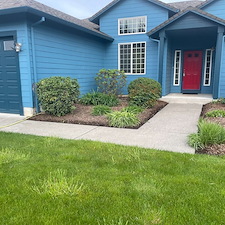
Wayne contacted Good Choices Pressure Washing in Scappoose, OR because he needed his driveway, patio, walkway, and fence cleaned before listing the property. Our team at Good Choices Pressure Washing was able to find an open slot the upcoming Sunday and get him on the schedule […]
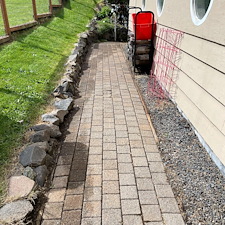
Will called Good Choices and asked for an estimate for his home on HWY 30 in Scappoose, OR. Before the visit I was able to look up his house on Google Street View to get a preliminary view of the siding and landscaping, since the house […]
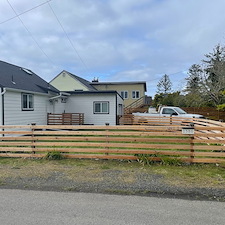
Melissa reached out in need for getting her rental home ready for the market ASAP. She provided us a list of the items she wanted addressed. We were able to provide her a quick estimate and fit her into a slot on our schedule promptly as timeframe was […]
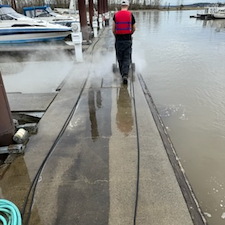
The St. Helens Yacht Club in St. Helens, OR called for their annual commercial pressure washing service. The job included dock cleaning, exterior cleaning for the condos, the parking lot, walking paths, ramps, and the gazebo. This was a scheduled annual visit to keep the property […]
Latest Articles
-
Driveway Washing & Sealing: When Sealing Makes Sense (and When It Doesn’t)
If you are weighing driveway washing and sealing, you are not alone. Many homeowners want a clean, longer-lasting surface but are unsure if sealer is the right next step. Below, you will find a simple way to decide, starting with why a deep clean matters and […]
-
How Often Should You Schedule Sidewalk Cleaning in Rainier, OR?
Sidewalks in Rainier see a lot of moisture and shade, which lets algae and moss settle in. That green film looks bad and can turn your steps into a slip zone. To keep your walkways safe and inviting, most homes benefit from a planned cleaning schedule. […]
